
Support Medicaid
H.R.1 has serious implications for Medicaid in Nebraska
Federal cuts will have cascading effects over 10 years and beyond
On July 4, 2025, H.R.1 (also known as the “One Big Beautiful Bill” was signed into law—a development that will send shockwaves through our families, communities and state as it fundamentally restructures Medicaid eligibility, financing and operations. Here is how it affects Nebraska:
1. Recklessly slashes $880 billion from Medicaid nationally, including a $6.5 billion cut in Nebraska's federal Medicaid expenditures over the next 10 years
- Shifts greater economic burdens onto our state budget, which already faces a projected $450 million shortfall in 2026.
- Pressures Nebraska lawmakers to either maintain current levels of coverage by cutting funding to other essential programs, or allow as many as 24,300 Medicaid expansion adults and 3,000 or more children to lose access to healthcare.
Medicaid is Nebraska’s single largest federal grant category, representing 47% of all federal funding received. Our state is simply not positioned to absorb a federal funding reduction on this scale without triggering dire social and economic consequences.
2. Creates Needless and costly red tape that will threaten Medicaid coverage for thousands
- Requires states to re-verify the eligibility of Medicaid beneficiaries every six months instead of once per year.
- Imposes more stringent work requirements for Medicaid beneficiaries, despite the fact that 92% of recipients are either already working, or are caregiving, ill, disabled or in school
- Ends automatic re-enrollment in the ACA Marketplace and reduces supports that help people understand and navigate their coverage options.
These measures will create additional administrative and staffing costs for our state and cause more Nebraskans to lose coverage due to paperwork issues, not ineligibility. This kind of red tape does not increase accountability or efficiency. It creates barriers that result in more medical debt and worse health outcomes, while driving up uncompensated costs for Nebraska health care providers.
3. Reduces Nebraska's control over its own health care system
- Restricts our state’s options to leverage provider taxes*—fees used to draw down federal Medicaid dollars—even as health care costs continue to rise. This shifts more of the costs of Medicaid coverage directly onto state budgets.
- Caps and reduces State Directed Payments (SDPs), a tool Nebraska uses to support hospitals and other health care providers by directing dollars where they’re needed most.
Taken together, these changes threaten the sustainability of health care in Nebraska, especially for providers in rural areas who rely heavily on Medicaid funding to deliver services.
Did you know?
- Of all persons enrolled in Medicaid in Nebraska, 46% are children.
- Medicaid pays for 38% of all births in Nebraska and helps ensure access to prenatal, maternity and postpartum care.
- One in three Nebraska children covered by Medicaid is under age 6.
- Nearly half of all Nebraskans enrolled in Medicaid live in rural counties.
- Almost half (44%) of Nebraska’s rural hospitals are already operating at a loss as the costs of providing healthcare continues to outpace Medicaid reimbursement rates, forcing cutbacks on medical services such as labor and delivery, home health, hospice and emergency medical services.
Jen Peters, Director of Nursing at Connected Roots Care Center in Omaha, discusses the importance of Medicaid in the lives of families of kids with special needs.

TAKE ACTION
The sweeping Medicaid and SNAP cuts in H.R.1 are not just numbers in a budget—they are decisions that will affect real people in communities statewide. We encourage all Nebraskans to share their disappointment in the votes in the House and Senate by contacting their congressional delegates.

 Learn more about the OBBBA’s impact on these crucial programs. Read findings from an independent analysis from Manatt Health on how Nebraskans will feel H.R.1’s impact on Medicaid.
 Circulate the facts and correct misinformation. Knowing how to spot and address misconceptions can help improve the quality of the public conversation about this important policy issue.
 Call or write to our state’s federal officials TODAY. Explain why you stand in opposition to H.R.1 and ask them to work together to minimize the fallout of this policy decision. Our state and nation deserve smart, responsible reforms, not reckless cuts that harm children, families and communities.
Senator Deb Fischer
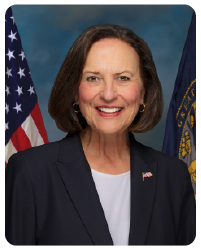 Phone: (202) 224-6551 Email Senator Fischer
Senator Pete Ricketts
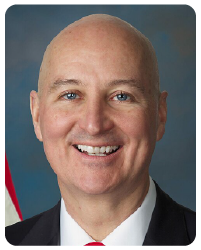 Phone: (202) 224-4224 Email Senator Ricketts
Congressman Mike Flood
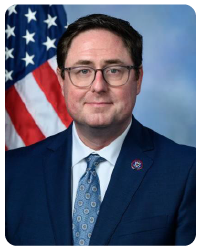 Phone: (202) 225-4806 Email Congressman Flood
Congressman Don Bacon
 Phone: (202) 225-4155 Email Congressman Bacon
Congressman Adrian Smith
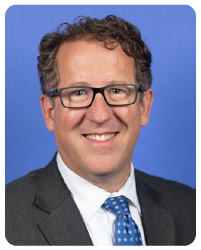 Phone: (202) 225-6435 Email Congressman Smith