
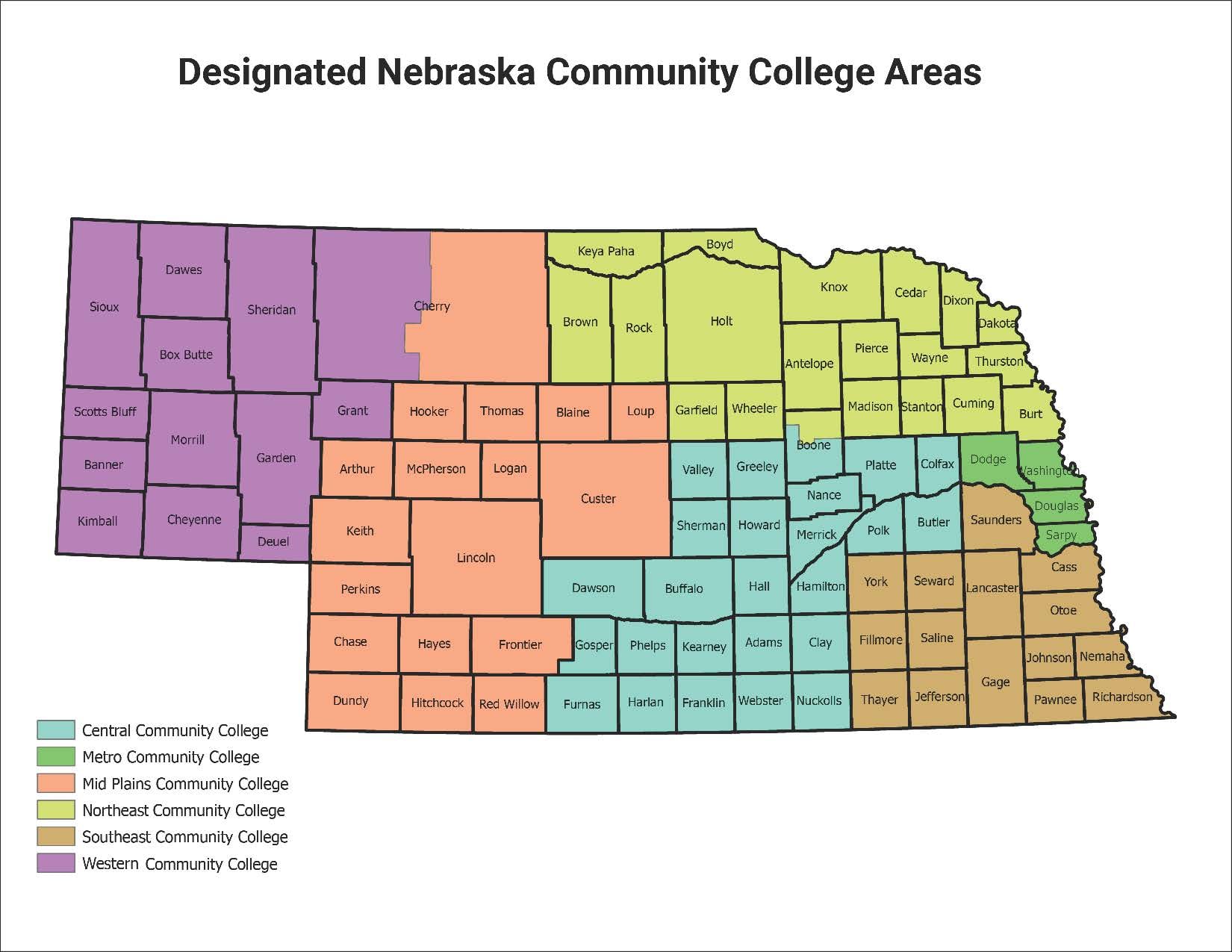
Over the past two years, the 6 Regions, One Nebraska initiative has helped put the issue of child care where it belongs—front-and-center in economic development strategy discussions throughout the state. While awareness of the state’s child care shortage isn’t new, the 6 Regions approach has galvanized public conversations about this challenge by involving workforce analysts, business leaders, early childhood educators, public officials and other regional stakeholders.
And this effort is gaining traction. Stakeholders in the Central Community College Region are currently advancing the Central Childcare Champion project, an effort to grow family home child care options in rural communities across 25 counties. Following the success of this program, the Western Nebraska Community College Region was awarded $65,000 to begin the Panhandle Childcare Expansion Project, in partnership with the Nebraska Early Childhood Collaborative.
Community Listening sessions
Early Futures Partnership has also stepped up to host a series of community listening sessions in collaboration with the 6 Regions, One Nebraska Southeast Community College Region. The collaboration is a natural fit. Six Regions was built on the understanding that lasting economic development must be community-directed and rooted in local data and insight—a philosophy that has driven the work of Early Futures’ founding initiatives, Communities for Kids and First Five Nebraska, since they were established.
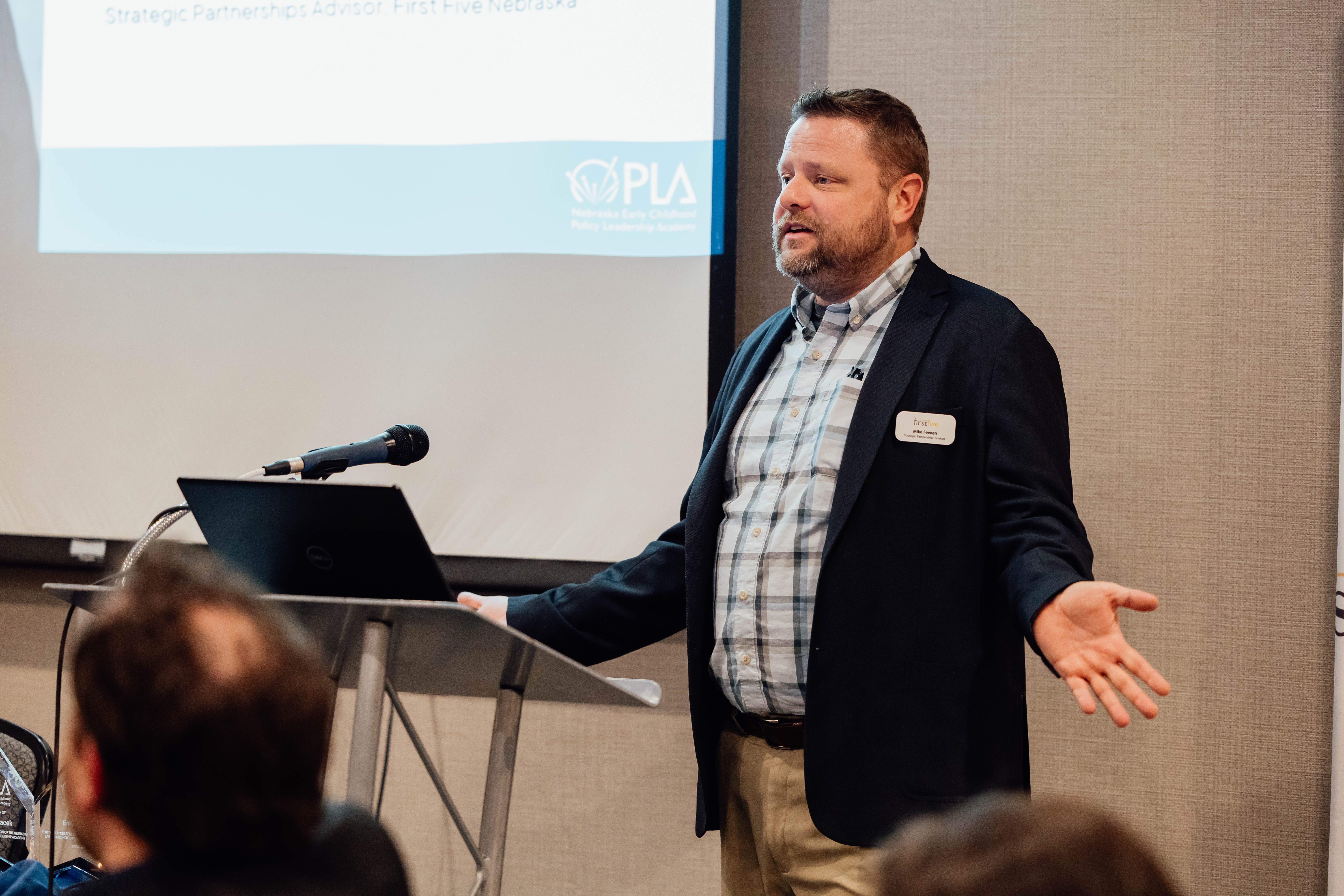
The community listening sessions were held throughout the spring in Nebraska City, Hebron, York and Falls City. Early Futures’ Mike Feeken, Jodi-Renee Girón, Chandra Berlin and Rachel Sissel helped lead the discussions, which gave local participants the opportunity to share their own experiences with a struggling child care system and explore strategies for strengthening its infra-structure. Another public meeting is planned for Plattsmouth later this year.
These sessions addressed a wide range of issues including:
- Clearly communicating the true cost of child care to key decision makers
- Generating meaningful financial support for child care systems development through mechanisms such as local tax levies, grants and matching funds
- Creating a framework for shared systems—such as insurance and accounting services—to lighten administrative costs and burdens on individual child care providers
- Establishing networks of mutual support for child care providers through peer learning opportunities and mental health resources
- Improving the affordability of child care services through tuition assistance and scholarship programs
- Achieving across-the-board consistency in child care requirements related to program inspections, building and fire safety codes, sanitation and other issues
Seeing ‘Genuine Cross-Sector Engagement’
“What we’re seeing in these conversations is genuine cross-sector engagement in child care issues,” said First Five Nebraska Strategic Partnerships Advisor Mike Feeken. “These problems can’t be fixed if the participants only come from the early childhood field. It needs buy-in from those with real influence and decision-making power on a community-wide or regional level. Communities for Kids and First Five Nebraska are working effectively together to get the right people at the table.”
Some of that buy-in is being galvanized by data published in Unlocking Nebraska’s Potential, a recent report by First Five Nebraska, University of Nebraska–Lincoln Bureau of Business Research and Nebraska Chamber Foundation. The report, which quantifies the economic impact of insufficient child care options throughout the state, finds that Nebraskans annually sustain a $1.61 billion loss to parent income and a $1.74 billion loss to business productivity due to child care challenges.
“People are paying attention of the true cost of a child care system that can’t fully meet the needs of either families or providers,” said Early Futures Partnership Vice President Rachel Sissel. “It cuts across every part of community and regional infrastructure. It’s why 6 Regions, One Nebraska is turning out to be an effective model for driving sustainable change—and why it fits the way Early Futures pursues its own work.”